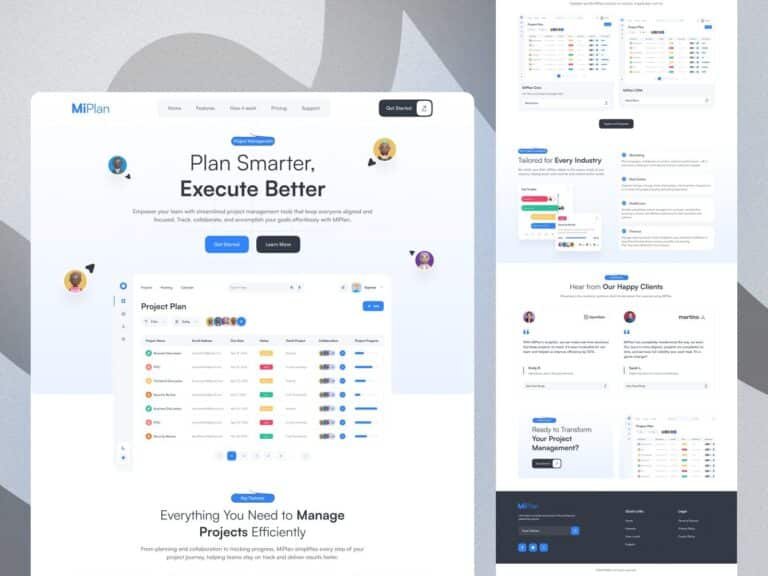
Emerging Trends in UI UX Design for 2026
The landscape of UI UX design is ever-evolving, and as we look towards 2026, several trends are poised to redefine how users interact with digital products. These trends are driven by technological advancements and changing user expectations, demanding designers to adapt and innovate continuously.
Immersive Experiences through AR and VR
Augmented Reality (AR) and Virtual Reality (VR) are set to become integral components of UI UX Design. As these technologies become more accessible, designers will need to create immersive experiences that blend the physical and digital worlds seamlessly. This trend will not only enhance user engagement but also provide new opportunities for storytelling and interaction.
Voice User Interface (VUI) Integration
With the rise of smart speakers and voice-activated devices, integrating Voice User Interfaces (VUI) into digital products is becoming increasingly important. By 2026, VUI will likely be a standard feature, allowing users to interact with applications using natural language. Designers will need to focus on creating intuitive voice interactions that complement traditional visual interfaces.
Personalization and Adaptive Design
Personalization continues to be a significant trend as users expect tailored experiences. Adaptive design, which adjusts the interface based on user behavior and preferences, will be crucial in meeting these expectations. By leveraging AI and machine learning, designers can create dynamic interfaces that evolve with the user, providing a more personalized and engaging experience.
Sustainable and Ethical Design Practices
As awareness of environmental and ethical issues grows, sustainable design practices are becoming a priority in UI UX design. Designers will need to consider the environmental impact of their work, from reducing digital waste to creating energy-efficient interfaces. Additionally, ethical design practices, focusing on user privacy and data security, will be crucial in building trust with users.
Minimalistic and Functional Design
Minimalism in design has been a consistent trend, and it will continue to dominate in 2026. The focus will be on functionality and simplicity, ensuring that every design element serves a purpose. This approach not only improves usability but also enhances the aesthetic appeal of digital products.
Micro-Interactions for Enhanced Engagement
Micro-interactions, the small, subtle animations that provide feedback to users, will play a significant role in enhancing user engagement. These interactions, such as a button changing color when clicked, help guide users and make the interface feel more intuitive and responsive. In 2026, expect to see more sophisticated and context-aware micro-interactions.
Biometric Authentication for Security
With increasing concerns about digital security, biometric authentication methods, such as fingerprint and facial recognition, will become more prevalent in UI UX design. These methods provide a higher level of security and convenience, reducing the reliance on traditional passwords and enhancing the overall user experience.
Inclusive and Accessible Design
Designing for inclusivity and accessibility will remain a critical focus for UI UX designers. As the digital world becomes more integrated into daily life, ensuring that products are accessible to all users, regardless of their abilities, is essential. This includes designing for screen readers, providing captions for multimedia content, and ensuring color contrast meets accessibility standards.
FAQs on UI UX Design Trends
What is the role of AI in future UI UX design?
AI will play a crucial role in future UI UX design by enabling more personalized and adaptive user experiences. It can analyze user behavior to provide tailored content and streamline interactions, making interfaces more intuitive and efficient.
How can designers ensure their work is sustainable?
Designers can ensure sustainability by minimizing digital waste, opting for energy-efficient design choices, and considering the environmental impact of their work. Emphasizing reusable design components and optimizing digital resources are practical steps towards sustainability.
Why is accessibility important in UI UX design?
Accessibility is vital because it ensures that digital products are usable by as many people as possible, including those with disabilities. By prioritizing accessibility, designers can create inclusive experiences that cater to a diverse audience, enhancing user satisfaction and engagement.
What are micro-interactions, and why are they important?
Micro-interactions are small, interactive design elements that provide feedback and guide users through an interface. They are important because they enhance the user experience by making interactions more engaging and intuitive, ultimately improving usability.
Conclusion
The future of UI UX design is exciting and full of potential. As we move towards 2026, designers must stay ahead of these trends to create innovative and user-centric digital experiences. By embracing new technologies and prioritizing user needs, the field of UI UX design will continue to evolve and thrive.