
Introduction
Healthcare organizations are rapidly embracing digital technologies to improve patient care, streamline operations, and enhance communication between patients and healthcare providers. However, many healthcare providers continue to face challenges such as fragmented systems, inefficient workflows, and poor patient engagement.
Common healthcare challenges include:
- Inefficient patient management
- Limited patient engagement
- Complex appointment scheduling
- Poor communication between departments
- Difficulty accessing medical records
- Lack of real-time data synchronization
The result?
- Longer patient wait times
- Increased administrative workload
- Lower patient satisfaction
- Reduced operational efficiency
- Higher healthcare costs
Modern healthcare UI/UX design is helping organizations overcome these challenges through innovative digital healthcare solutions that create seamless experiences for patients, healthcare professionals, and administrators.
The healthcare management platform concept designed by Devoq Design demonstrates how strategic design can support healthcare digital transformation, improve trust, and enhance operational efficiency.
1. Healthcare Management Platform Dashboard
The dashboard serves as the central hub of the healthcare ecosystem, providing quick access to patient information, appointments, records, and healthcare services.
The dashboard includes:
- Patient profile management
- QR code access
- Appointment scheduling
- Medical record tracking
- Real-time synchronization
- Secure patient access
Why Dashboard UX Matters
A well-designed dashboard helps:
- Reduce administrative workload
- Improve operational efficiency
- Increase staff productivity
- Improve patient record accessibility
- Support faster decision-making
Modern healthcare providers rely on intuitive dashboards to deliver efficient patient care.
How the Dashboard Improves Healthcare Operations
The dashboard centralizes critical healthcare information into a single interface, allowing healthcare professionals to access patient data, manage appointments, and coordinate services more effectively. This reduces manual processes while improving the overall healthcare experience.
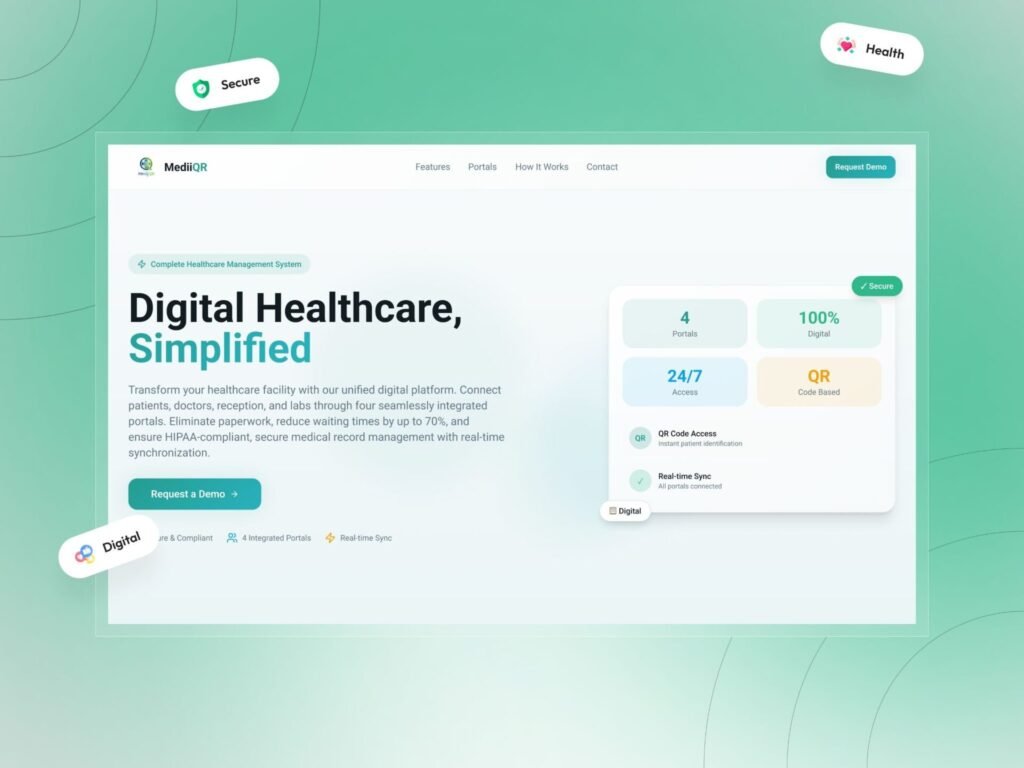
Healthcare UI/UX design dashboard for patient management and healthcare operations
2. Connected Healthcare Ecosystem
A successful healthcare SaaS platform connects patients, doctors, laboratories, reception teams, and healthcare administrators within a unified ecosystem.
The healthcare ecosystem includes:
- Patient Portal
- Doctor Portal
- Reception Management
- Laboratory Management
- Healthcare Administration
- Integrated Communication Tools
Why Connected Platforms Matter
Connected healthcare systems help:
- Improve communication
- Eliminate data silos
- Increase collaboration
- Improve patient outcomes
- Enhance operational efficiency
Integrated systems are essential components of modern digital healthcare solutions.
Streamlining Healthcare Collaboration
By bringing multiple healthcare stakeholders into a single platform, organizations can improve communication, reduce delays, and deliver more coordinated patient care.
Integrated healthcare SaaS platform designed to connect patients, doctors, laboratories, and healthcare administrators through a unified digital ecosystem.
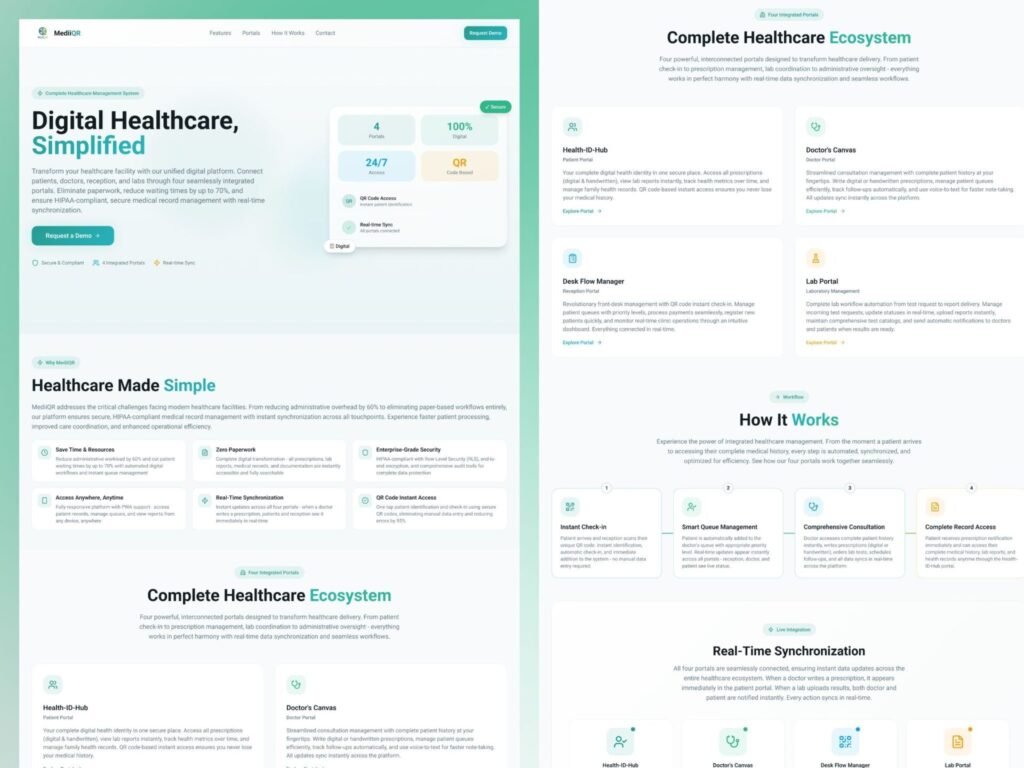
Healthcare SaaS platform connecting patient doctor reception and laboratory systems
3. Medical Website Design & Patient Engagement
A healthcare website is often the first interaction patients have with a healthcare provider. Effective medical website design helps create positive first impressions while encouraging patient engagement.
The healthcare website includes:
- Service information
- Platform benefits
- Inquiry forms
- Patient onboarding
- Healthcare feature highlights
- Contact and support options
Why Medical Website Design Matters
Effective healthcare websites help:
- Build credibility
- Increase patient engagement
- Improve inquiries
- Support appointment bookings
- Enhance online visibility
Healthcare websites should prioritize accessibility, trust, and user experience.
Enhancing the Patient Journey
The website serves as a gateway to healthcare services, making it easier for patients to access information, schedule appointments, and communicate with healthcare providers.
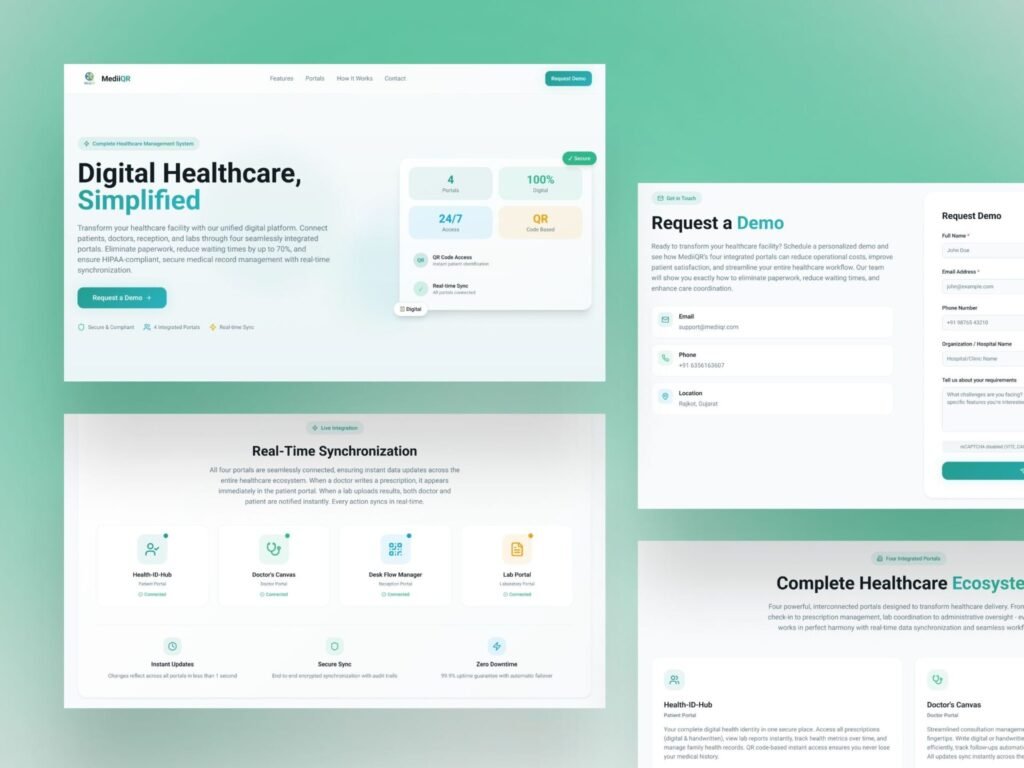
Medical website design for healthcare software platform and patient engagement
4. Healthcare Workflow Management & Patient Journey
Healthcare operations involve multiple touchpoints, from patient registration to consultation and follow-up care. Effective workflow design simplifies these processes.
Key workflow features include:
- Appointment scheduling
- Patient registration
- Consultation management
- Medical record access
- Follow-up tracking
- Healthcare reporting
Why Workflow Optimization Matters
Streamlined healthcare workflows help:
- Reduce wait times
- Improve patient satisfaction
- Increase operational efficiency
- Improve healthcare delivery
- Support healthcare digital transformation
Improving Operational Efficiency
Optimized workflows reduce administrative bottlenecks while helping healthcare providers focus more on delivering quality patient care.
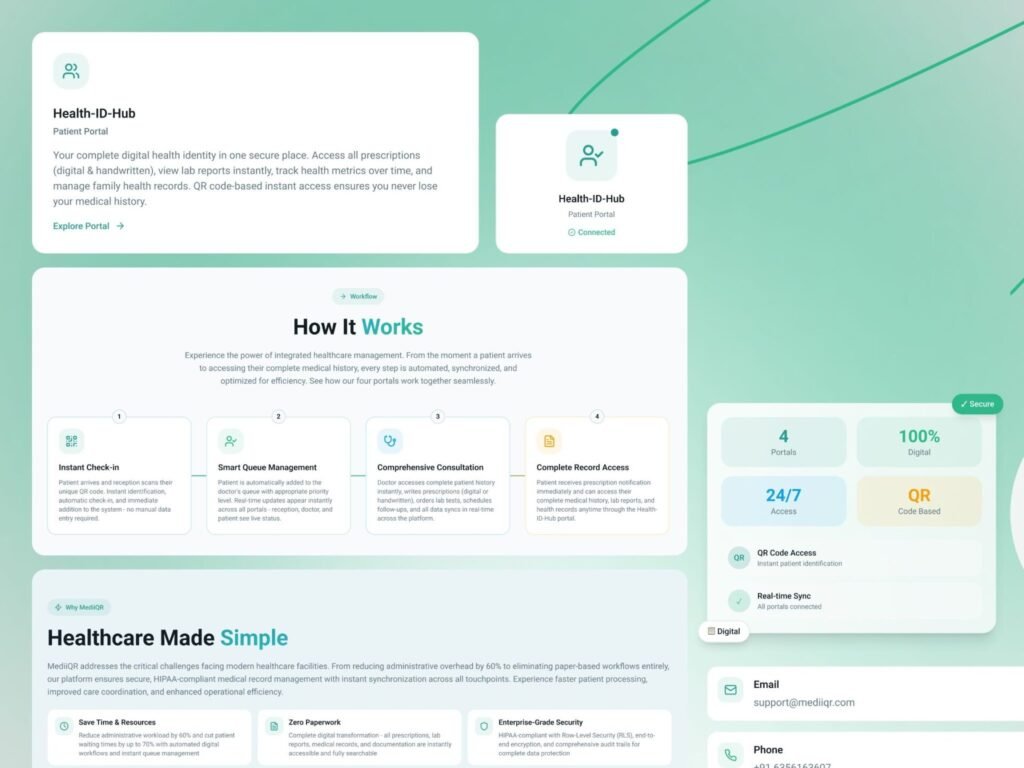
Healthcare workflow management platform improving patient journey and operational efficiency
5. Healthcare Design System & Branding
A consistent design system ensures scalability, usability, and brand recognition across all healthcare products and services.
The design system includes:
- Typography guidelines
- Color systems
- UI components
- Accessibility standards
- Brand consistency
- Scalable design patterns
Care Connect Healthcare Palette
The platform utilizes the CareConnect Healthcare Palette, combining Healthcare Blue, Medical Teal, and Soft Green to create a trustworthy, calming, and professional healthcare experience.
Primary Colors
- Healthcare Blue (#2B6EF3)
- Medical Teal (#00C2A8)
- Soft Green (#7ED957)
Secondary Colors
- Light Sky Blue (#EAF3FF)
- Warm Gray (#6B7280)
- Pure White (#FFFFFF)
Accent Colors
- Success Green (#22C55E)
- Alert Orange (#F59E0B)
- Error Red (#EF4444)
Why Design Systems Matter
Design systems help:
- Maintain consistency
- Improve usability
- Accelerate development
- Strengthen branding
- Enhance user trust
Strong design systems are critical for modern healthcare UI/UX design projects.
Creating Trust Through Visual Consistency
A cohesive design language improves user confidence and ensures that patients experience consistent interactions across web and mobile healthcare applications.
Healthcare UI UX design system with typography color palette and branding guidelines
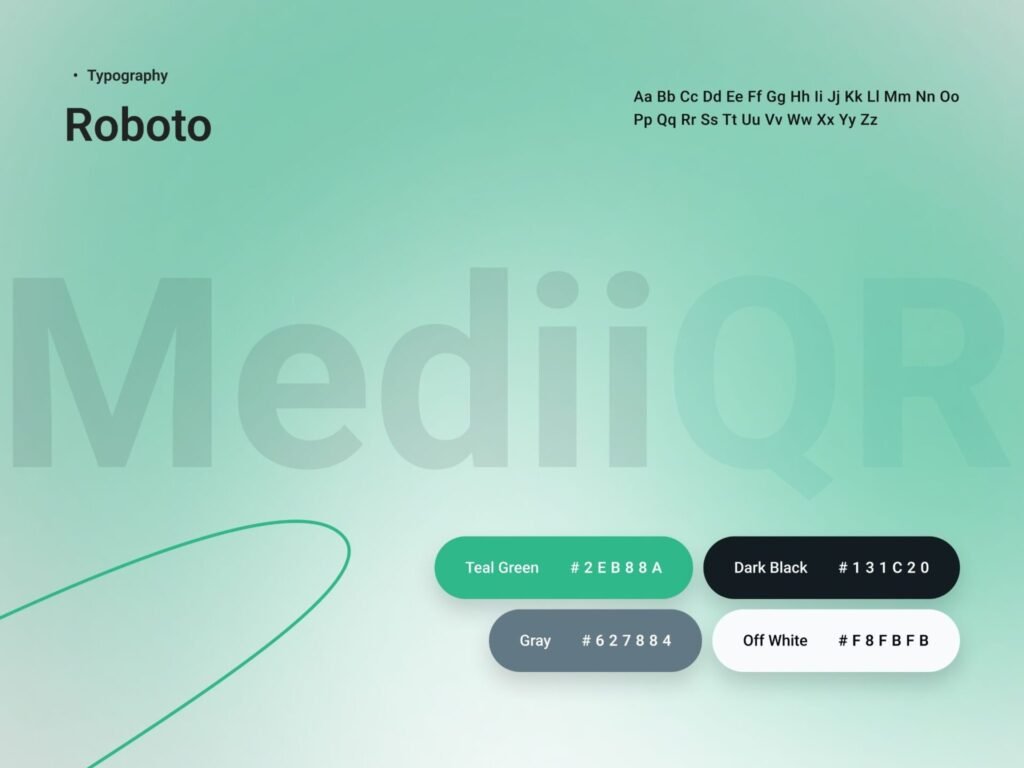
Healthcare UI UX design system with typography color palette and branding guidelines
Benefits of the Healthcare Platform
Modern healthcare platforms deliver value across the entire healthcare ecosystem.
Key benefits include:
- Improved patient experience
- Better patient engagement
- Increased trust and transparency
- Faster healthcare workflows
- Reduced administrative burden
- Improved accessibility
- Better healthcare collaboration
- Enhanced operational efficiency
- Scalable healthcare services
By centralizing healthcare operations into a unified platform, organizations can improve service quality while reducing operational complexity.
Why Healthcare Digital Transformation Matters
Healthcare providers increasingly rely on technology to meet patient expectations and improve service delivery.
Healthcare digital transformation helps organizations:
- Improve patient outcomes
- Enhance communication
- Reduce operational costs
- Increase efficiency
- Support data-driven decisions
- Improve healthcare accessibility
- Enable scalable growth
Organizations investing in modern healthcare UI/UX design, healthcare SaaS platforms, medical website design, and digital healthcare solutions are better positioned to deliver exceptional patient experiences.
Frequently Asked Questions
1. What is healthcare UI/UX design?
Healthcare UI/UX design focuses on creating intuitive, accessible, and user-friendly digital experiences for patients, healthcare providers, and administrators. It includes designing healthcare websites, patient portals, mobile applications, telemedicine platforms, and healthcare management systems that improve usability and patient engagement.
2. Why is healthcare UI/UX design important?
Effective healthcare UI/UX design helps simplify complex healthcare processes, improve patient satisfaction, reduce user errors, and increase operational efficiency. A well-designed healthcare platform enables users to access information quickly and complete tasks with minimal effort.
3. How does healthcare UI/UX design improve patient experience?
Healthcare UI/UX design improves patient experience by providing easy appointment scheduling, seamless access to medical records, clear navigation, secure communication, and personalized healthcare interactions. These features help patients feel more confident and engaged in managing their health.
4. What is healthcare digital transformation?
Healthcare digital transformation is the integration of digital technologies into healthcare operations, services, and patient care. It involves adopting modern platforms, automation tools, data-driven processes, and digital healthcare solutions to improve efficiency and healthcare outcomes.
5. What are the benefits of a healthcare SaaS platform?
A healthcare SaaS platform helps organizations streamline operations, centralize patient data, improve communication, automate workflows, and reduce administrative burdens. It also enables scalability, real-time collaboration, and improved healthcare service delivery.
6. Why is medical website design important for healthcare organizations?
Professional medical website design helps healthcare providers establish credibility, improve patient engagement, increase appointment bookings, and provide easy access to healthcare information. A user-friendly website also supports better patient experiences and stronger online visibility.
7. How do digital healthcare solutions improve operational efficiency?
Digital healthcare solutions automate repetitive tasks, improve data accessibility, reduce paperwork, streamline communication, and optimize healthcare workflows. These improvements allow healthcare providers to focus more on patient care while reducing operational costs.
8. What features should a modern healthcare platform include?
A modern healthcare platform should include patient portals, appointment scheduling, secure communication, medical record management, real-time notifications, healthcare dashboards, reporting tools, and mobile-friendly access. These features support both patient satisfaction and operational efficiency.
Conclusion
The healthcare management platform concept developed by Devoq Design demonstrates how strategic healthcare UI/UX design can improve patient experience, strengthen trust, and enhance operational efficiency.
Through connected healthcare ecosystems, intuitive dashboards, responsive interfaces, optimized workflows, and scalable healthcare technologies, organizations can successfully navigate ongoing healthcare digital transformation while delivering better patient outcomes.
Whether you’re building a healthcare startup, patient management system, telehealth platform, or enterprise healthcare solution, investing in professional healthcare product design helps create digital experiences that drive engagement, efficiency, and long-term success.